When it comes to construction, what happens below ground is just as important as what gets built above it. Strong foundations are critical to the long-term performance of any structure, and that's where piling comes in.
Across Melbourne, piling is used on residential, commercial, and civil projects to provide additional support where standard footings aren't suitable. From reactive clay soils and sloped blocks to large commercial developments, piling helps transfer structural loads into stable ground and provides the support needed for a safe and durable build.
At Superior Land Excavations, we provide practical piling solutions across Melbourne, working closely with builders, developers, engineers, and property owners to ensure every project starts on solid ground.
Piling is a foundation construction method used to transfer the weight of a structure deeper into the ground. Instead of relying solely on surface-level footings, piles extend down to more stable soil or rock layers capable of supporting the load.
Piling is commonly used when:
The right piling solution depends on soil conditions, structural requirements, site access, and project specifications.
Melbourne is known for its diverse ground conditions. Many areas contain highly reactive clay soils that expand and contract as moisture levels change. This ground movement can place significant stress on foundations over time.
In developing suburbs and established inner-city areas alike, builders regularly encounter:
Because no two sites are exactly the same, piling is often recommended by engineers to provide additional support and reduce the risk of future movement.
Different piling systems are designed to suit different ground conditions and structural requirements.
Screw piles are one of the most popular piling solutions used across Melbourne. Installed using hydraulic torque equipment, they are screwed into the ground rather than excavated.
Benefits of screw piles include:
Screw piles are commonly used for residential homes, extensions, decks, retaining structures, and townhouse developments.
Bored piers are created by drilling a hole into the ground before reinforcing and filling it with concrete.
They are commonly used for:
Bored piers provide excellent load-bearing capacity and are often specified where deeper foundation support is required.
Retention piling is used to support excavations, retaining walls, and projects involving significant level changes.
These systems help stabilise surrounding ground and are commonly used for:
Retention piling often works alongside shotcrete walls and other ground support systems to maintain stability during construction.
Choosing the correct piling system isn't simply a matter of selecting one method over another. Several factors influence the approach taken on each project.
Ground conditions are one of the biggest factors affecting piling design. Engineers may require soil testing to determine load-bearing capacity and identify potential issues such as reactive clay, loose fill, or rock layers.
The size and weight of the proposed structure directly impact the type and depth of piling required. Larger commercial buildings typically require different foundation systems compared to residential homes.
Not every site allows large machinery access. Tight-access blocks, laneway developments, and inner-city projects often require specialised equipment and installation methods.
All piling works should be carried out in accordance with engineering plans and site-specific requirements. Proper design and installation help ensure long-term structural performance.
While every project is different, most piling works follow a similar sequence.
The process begins with reviewing engineering plans, soil information, site access, and construction requirements.
Pile locations are marked out and the site is prepared for installation. Any required excavation or access works are completed before piling begins.
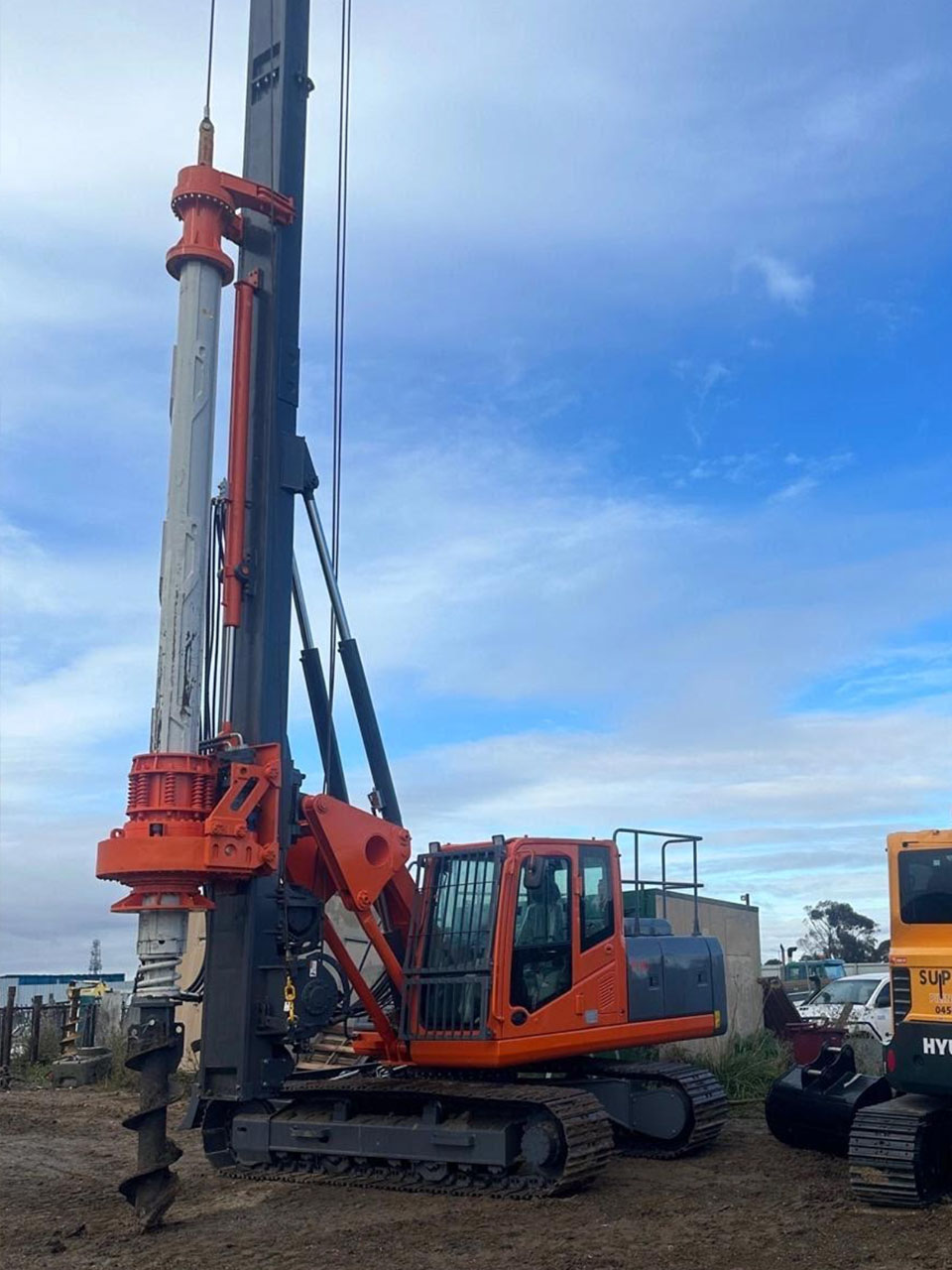
The chosen piling system is installed using the appropriate equipment and method. This may involve drilling bored piers, driving piles, or installing screw piles.
Pile depths, locations, and installation requirements are checked to ensure compliance with engineering specifications.
Once piling is complete, the project can move onto footings, slabs, retaining structures, or the next stage of construction.
Many builders and property owners don't initially realise piling may be required until engineering investigations are completed.
Some common indicators include:
Early planning and site assessment can help identify these factors before construction begins.
Piling forms the foundation of the entire project. Mistakes at this stage can lead to delays, additional costs, and long-term structural issues.
Working with an experienced piling contractor helps ensure:
At Superior Land Excavations, we focus on practical site solutions that keep projects moving. From screw piles and bored piers through to retention piling and excavation support, we work closely with builders and developers to deliver reliable foundation solutions across Melbourne.
Every site presents different challenges, and the right piling solution starts with understanding the ground conditions, engineering requirements, and project goals.
Superior Land Excavations provides professional piling services across Melbourne for residential, commercial, and civil construction projects. Our experienced team delivers practical, reliable piling solutions designed to support safe and efficient construction from the ground up.
If you're planning a project and need advice on piling, contact Superior Land Excavations to discuss your site requirements and request a quote.
This article is provided free of charge for public information. We do not guarantee, and accept no legal liability for, the accuracy, reliability, currency, or completeness of the content or any linked material. Users should apply their own judgment and verify the material’s relevance to their needs. This article is a general summary and not a substitute for legal or professional advice. Users should seek appropriate advice for their circumstances. Any third-party views expressed do not necessarily reflect ours or imply endorsement.
Very happy with Superior Excavation. They were professional to deal with and responded to emails and calls promptly. Thanks again for your help. Definitely recommending to my friends.
Very happy with Superior Excavation. They were professional to deal with and responded to emails and calls promptly. Thanks again for your help. Definitely recommending to my friends.
I would like to thank you for your quick and accurate work - excavation of our new house in Ivanhoe. I am very impressed that you prepared the site in two days. It was great dealing with you
Copyright ©2026 superiorlandexcavations.com.au
 IT BOOST AUSTRALIA